
Rabbit Hemorrhagic Disease (RHDV2)
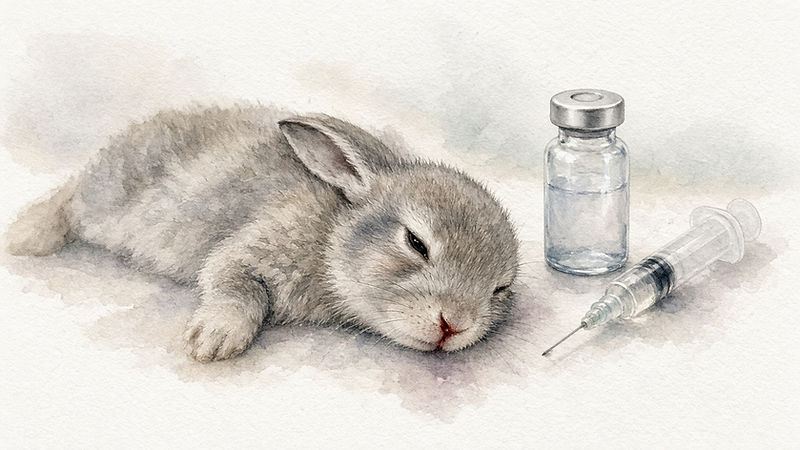
What is it?
Rabbit hemorrhagic disease virus type 2 (RHDV2) is a highly contagious, often fatal virus affecting both pet and wild rabbits. It survives for long periods in the environment and spreads through contact with infected rabbits, contaminated objects, insects, and even people's shoes and clothing. It has been confirmed in many US states.
What signs should I watch for?
Signs to watch for include sudden death, often with no warning; fever and lethargy; not eating; bleeding from the nose or mouth; and trouble breathing or neurologic signs.
How is it diagnosed and treated?
Diagnosis is confirmed by laboratory testing, usually after death. There is no specific treatment; supportive care is attempted, but most affected rabbits die. Suspected cases must be reported to animal health authorities.
Can it be prevented, and what's the outlook?
- Vaccination is available in the US and is strongly recommended.
- Keep rabbits indoors, avoid contact with wild rabbits, and wash hands and change shoes after being outside.
Reviewed by the Adler Veterinary Hospital veterinary team, October 2026.
Pet and wild rabbits, especially unvaccinated
Who's at risk:
Sudden death, fever, not eating, bleeding from nose or mouth
Main signs:
Emergency — see a vet now
Urgency:
When to call a vet right away
- Bleeding from the nose or mouth
- Trouble breathing or neurologic signs
- Not eating
- Fever and lethargy
Not sure whether it can wait? Call us anyway. Our team can help you decide.
Source:
Related conditions

E. cuniculi

GI Stasis

Snuffles