
Regurgitation and Anorexia
What is it?
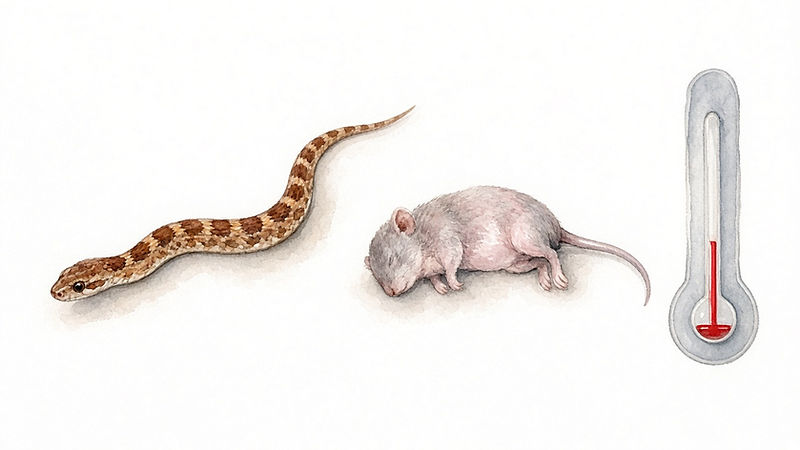
Refusing food (anorexia) can be normal for some snakes during shedding, breeding season, or cooler months, but can also signal illness. Regurgitation is bringing up food after a meal and is never normal; it is often caused by low temperatures, stress, handling too soon, prey that's too large, parasites, or infection.
What signs should I watch for?
Signs to watch for include refusing several meals in a row, bringing up partly digested food, weight loss, and lethargy or other signs of illness.
How is it diagnosed and treated?
Your veterinarian reviews husbandry and feeding, examines your snake, and may run fecal tests, blood work, or imaging. Treatment addresses the cause and may include fluids and assisted feeding.
Can it be prevented, and what's the outlook?
- After regurgitation, wait before feeding again and offer smaller meals.
- Keep accurate weights and records to spot problems early.
Reviewed by the Adler Veterinary Hospital veterinary team, October 2026.
Snakes kept too cool, stressed, or handled after feeding
Who's at risk:
Refusing several meals, bringing up food, weight loss
Main signs:
Schedule a visit soon
Urgency:
When to call a vet right away
- Bringing up food after a meal
- Refusing several meals in a row
- Weight loss
- Lethargy or other signs of illness
Not sure whether it can wait? Call us anyway. Our team can help you decide.
Source:
Related conditions

Cryptosporidiosis

Inclusion Body Disease

Mouth Rot